When you click on links to various merchants on this site and make a purchase, this can result in this site earning a commission. Affiliate programs and affiliations include, but are not limited to, the eBay Partner Network.
I’m looking for a relay I can use so I can connect my led turn signals. I have looked on superbright led and have one for a 96 d1 but it only has 3 pins. I’m not sure how that will work as the original one has 4 pins. https://www.superbrightleds.com/more...1454&year=1996
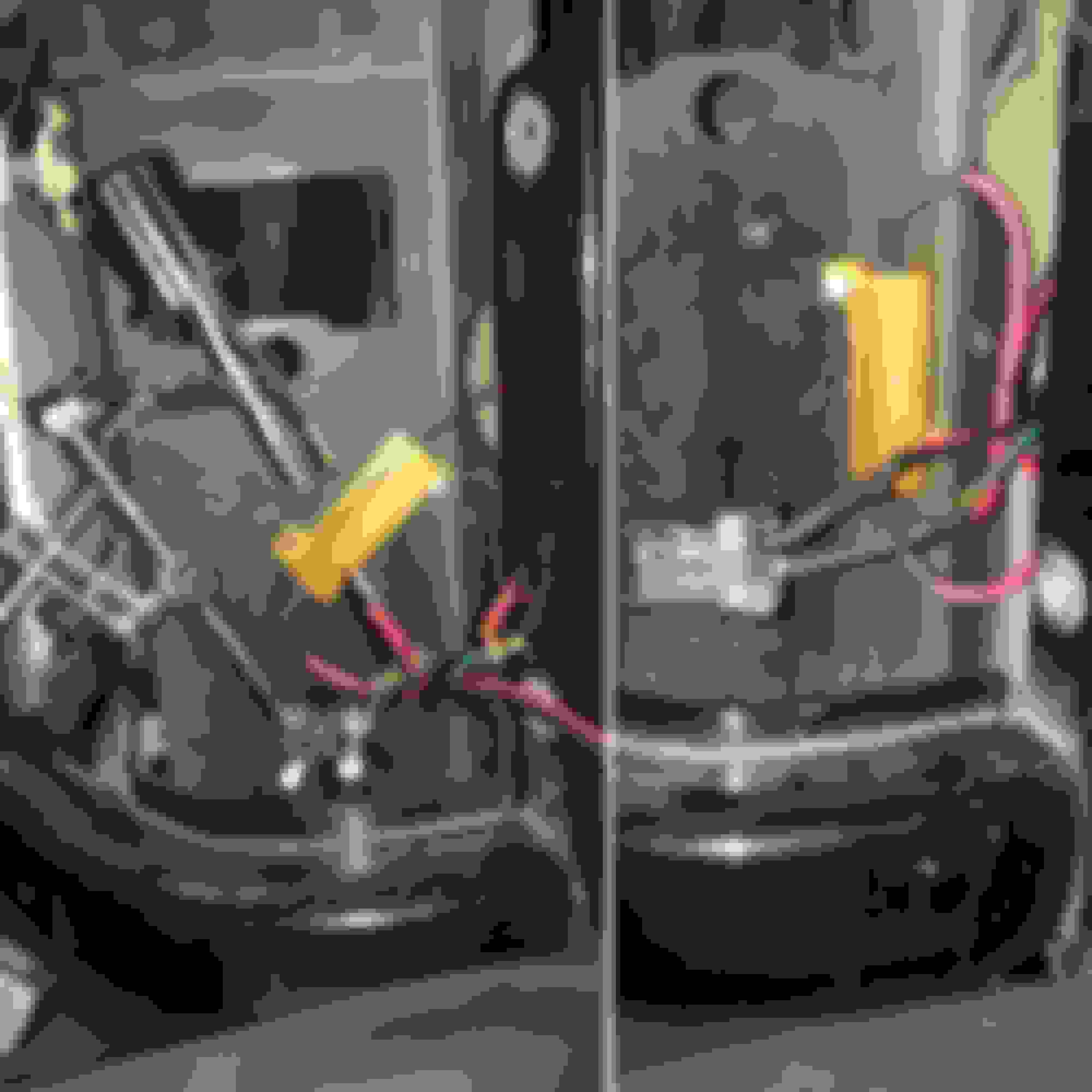
Yep. Solder in 1 each 50 Watt/6 Ohm resistor in parallel of the indicator LED bulb on both sides, and securely mount the resistor to a metal panel for better heat dissipation.
I did this on my Disco 2 but in the front indicators...
and soldered in the left rear for my LED brake lights so the cruise control could work...
Adding an LED flasher relay is way easier. Follow this link: https://discoweb.org/oldsite/
Click on Blinker Tech.
4 short pigtails and it tucks into the same area.
Picked up the relay. Thanks for the info. I was not thrilled with the resistor due to the heat issue. Having the potential to get in the mid 200 deg F is not something I want to install in my truck.
If you use the factory relay yes you do. Hazards are not as fast but are a faster rate. But the turn signal is crazy fast. If you put the EP-26 relay in its back to normal.
Adding an LED flasher relay is way easier. Follow this link: https://discoweb.org/oldsite/
Click on Blinker Tech.
4 short pigtails and it tucks into the same area.
I was thinking that also as I went the LED route on my 68 Ford F250 Camper Special. The blinker unit operates off current heating the blinker unit internally with current passing through two lamps (front & rear). Should one element burn out you have a steady on lamp no blink thing going on, same situation having a failed charging system with low battery voltage as well corrosion at the lamp base pins, lead against brass pins, just add water. I ended up with the electronic timed blinker unit, no matter the voltage (within reason) applied to the blinker's electronics as well any lamp current loads it doesn't matter the blinking rate is constant. Blinker units from 80's to 90's era BMW's as example from Pick-n-Pull's work perfectly.
Instead of "extra bright LED's" $$$$ in the LR which use the driving lamp lens on low driving brightness then increased brightness by the braking element. Adding to this normal operation it's more eye catching or attention getting to utilize those poor visibility lenes in the taillight assembly which are dark and not powered up, wire in the brake lamp power to them and utilize them as extra brake lights? Very simple, you must first cut out the metal bridge to the poor visibility lamp terminals then add a jumper wire to those lamps from thje brake lamp below. Another added feature the dash lamp in the dash switch which is on when the poor weather switch is activated, it now comes on everytime the brakes are applied and energized along with the normal brake lamps. This a added safety feature knowing your brake lights are receiving power. You now have five brake lights, two which go from dim to bright, (not impressive) plus three from off to bright on which grab your attention as well why the 3rd lamp became a federal law addition years ago allowing for faster reflex thinking with quicker braking action. After been rearended before like 45 mph while being dead stopped is why I added this feature to the 95 D1......~~=o&o>.......



 Led flasher relay