


proper method to splice power


Thread Starter
|
TReK
Joined: Mar 2010
Posts: 2,764
Likes: 617
From: NYC
 proper method to splice power
I've been chasing a problem with my headlights and found the problem to be a shorted out connection at the back of the headlamp bulb. The wire was carrying power correctly so a new connector was the call.
AB had the part... Wiring Pigtail - Headlight | Land Rover Electrical Parts, Batteries, Relays, Lamps & More
So the question is....What is the best practice for adding the new pig tail to the end of the wire behind the headlamp? Solder? Crimp? Tape? Heat shrink? How concerned do I need to be about weather/water?
AB had the part... Wiring Pigtail - Headlight | Land Rover Electrical Parts, Batteries, Relays, Lamps & More
So the question is....What is the best practice for adding the new pig tail to the end of the wire behind the headlamp? Solder? Crimp? Tape? Heat shrink? How concerned do I need to be about weather/water?

Recovery Vehicle
Joined: Sep 2009
Posts: 916
Likes: 1
From: Quarryville, Pa
Solder and heatshrink is the best way in my opinion. Or solder and liquid elictric tape works well also. I never had much luck using crimp ends, seems they always give me problems after a few years especially living in the salt belt.

Cut the supply wire back about a 1/4".
Strip the insulation off.
You can wire nut it.
Then wrap it in electrical tape and then cover it with Liquid Tape, let it dry and cover it again.
Done.
You might want to zip-tie the new wiring up out of the way.
Strip the insulation off.
You can wire nut it.
Then wrap it in electrical tape and then cover it with Liquid Tape, let it dry and cover it again.
Done.
You might want to zip-tie the new wiring up out of the way.

Rock Crawling
Joined: Aug 2010
Posts: 253
Likes: 1
A proper crimp job with some properly sized heat shrink will do you just fine, and should keep the elements out. And you can always put a little vaseline or dielectric grease on the connections for added insurance.

Baja
Joined: Sep 2007
Posts: 5,232
Likes: 52
From: Georgia, USA
First, skip AB. Go to Advance Auto, NAPA, etc and get an H4 pigtail for about $5.
Use good high temp crimp type uninsulated butt connectors and adhesive lined heat shrink tubing.
A dab of dielectric grease on both ends of the connector, slide the tubing over the wire, strip the wires and insert in to the connector, crimp well, slide the tubing over the connector and shrink it. You'll never have a problem with it.
The issue with soldered connections is that unless they are done correctly, which not a lot of people know how to do, they'll have problems later. One school of thought also is that vibration can be a problem causing failure later.
Don't use insulated connectors. You still have to use heat shrink tubing for them to be sealed and they look like crap too. I only use them for emergency field repairs.
Wire nuts are not for automotive use. While technically they can be used, they are impossible to seal well unless you make a huge gob of a connection.
Use the opportunity to invest in a good quality crimper that you'll be using again.
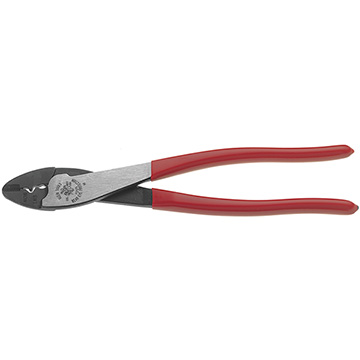
Klein Tools -Crimping/Cutting Tool — Non-Insulated/Insulated Connectors
Use good high temp crimp type uninsulated butt connectors and adhesive lined heat shrink tubing.
A dab of dielectric grease on both ends of the connector, slide the tubing over the wire, strip the wires and insert in to the connector, crimp well, slide the tubing over the connector and shrink it. You'll never have a problem with it.
The issue with soldered connections is that unless they are done correctly, which not a lot of people know how to do, they'll have problems later. One school of thought also is that vibration can be a problem causing failure later.
Don't use insulated connectors. You still have to use heat shrink tubing for them to be sealed and they look like crap too. I only use them for emergency field repairs.
Wire nuts are not for automotive use. While technically they can be used, they are impossible to seal well unless you make a huge gob of a connection.
Use the opportunity to invest in a good quality crimper that you'll be using again.
Klein Tools -Crimping/Cutting Tool — Non-Insulated/Insulated Connectors
Last edited by antichrist; Apr 24, 2011 at 06:49 AM.

Baja
Joined: Mar 2010
Posts: 5,584
Likes: 7
From: Pittsburgh PA suburbs.
Tom was totally on the mark. I have a similar crimper made by Thomas and Betts with one orange and one black handle. Identical construction with cutters at the front of the jaws that I have owned since 1976.
A good heat shrink or the self vulcanizing "Centerline" tape will provide an excellent seal. I even layer the heat shrink sometimes for added protection.
Avoid those cheap crimper sets that you see at a lot of places, they are junk.
A good heat shrink or the self vulcanizing "Centerline" tape will provide an excellent seal. I even layer the heat shrink sometimes for added protection.
Avoid those cheap crimper sets that you see at a lot of places, they are junk.
Last edited by Danny Lee 97 Disco; Jan 6, 2012 at 03:21 PM.

8th Gear
Joined: Dec 2011
Posts: 8
Likes: 0
From: NC
I have some side marker lights on a rear bumber end cap that were pulled off to bare wires and I am splicing a bulb holder wiring harness back in. Can I get the heat shrink and crimp connectors at Autozone or NAPA ? AB charges ~ $40 for a bulb harness so there has to be a cheaper alternative. Any suggestions are welcome

Overlanding
Joined: Dec 2011
Posts: 19
Likes: 0
Probably overkill, but I prefer to solder (done properly, not surface soldered), tape with soft electrical tape, and crimp (large connecter) wire insulation to insulation. This way you get a solid water and vibration immune connection.

Winching
Joined: Aug 2011
Posts: 600
Likes: 1
From: northwest
wire nuts have no place in a moving vehicle, or any place that vibration may exist...
solder is good - but is more error prone if you dont know what a good solder joint looks like - and you might just be creating more of a headache for yourself when the wire breaks off from a cold solder.
if youre going to crimp, get the non insulated crimp connectors, and crimp them using the nubs on your favorite crimp tool that are marked for non insulated connections. then slide some of the silicone adhesive filled heatshrink over the whole thing - which youd have used anyway if you were soldering... right...? - to seal it all up