When you click on links to various merchants on this site and make a purchase, this can result in this site earning a commission. Affiliate programs and affiliations include, but are not limited to, the eBay Partner Network.
The driver side radiator leak on my 2020 P300 recently got worse and I started seeing puddles of coolant everywhere I parked and had to refill about a pint every few hundred miles. I pulled the wheel arch liners and confirmed it was leaking from the exact place others have reported (good job LR on owning up to a manufacturing defect - I'm well outside warranty). I then looked at the OEM parts diagram to get an idea of how many bolts there were and where they were. OEM replacement radiator from LR was $300-400 online, so I went with a cheap aftermarket version for $85. If OEM quality is known to leak, why trust it again.
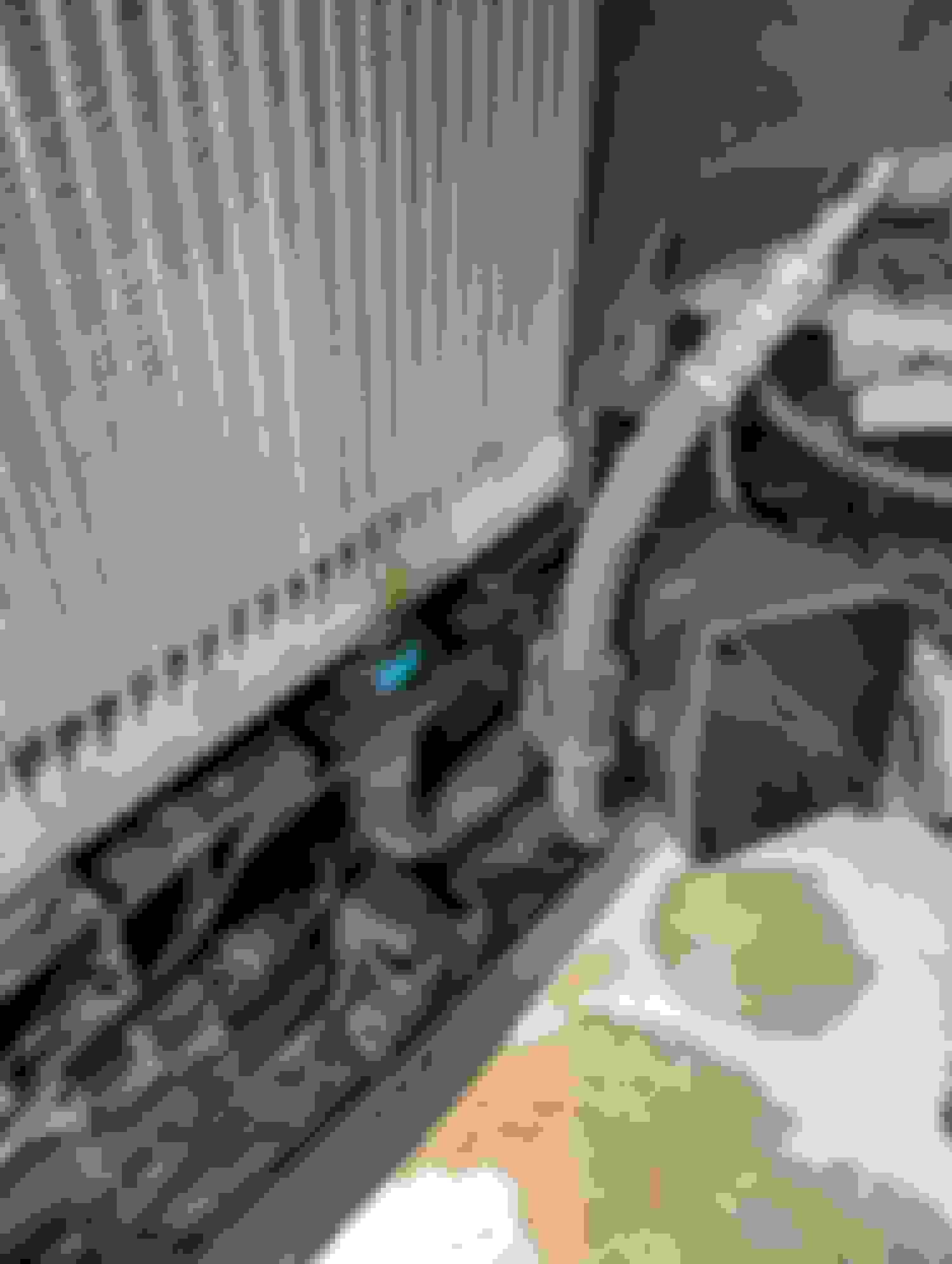
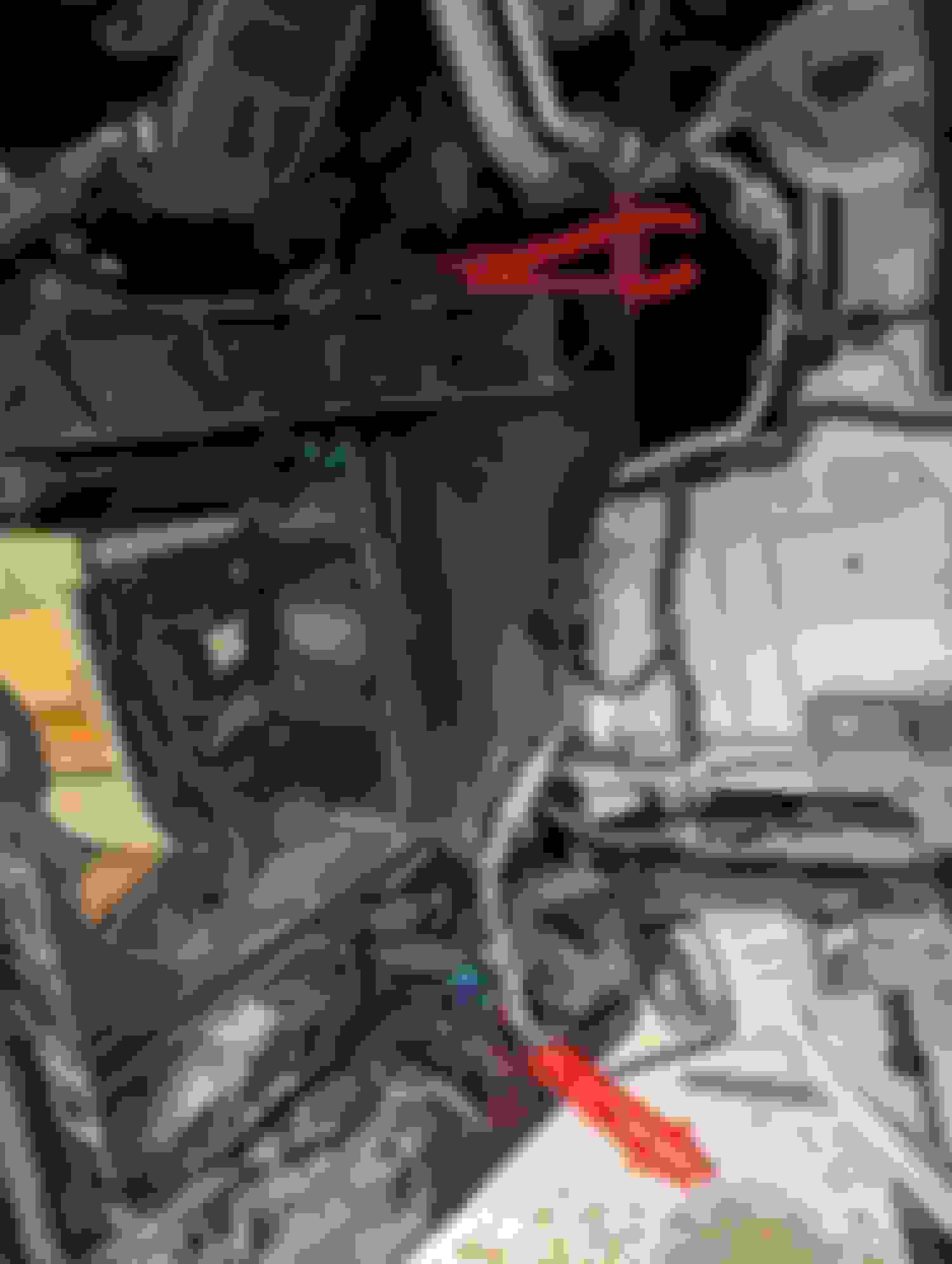
There 4-5 bolts holding the radiator and plastic frame that I removed. I may have missed one as I couldn't get the plastic frame completely free. Two bolts on top that hold the frame together and clamp the radiator into the frame (black in my case, other bolts were silver) have a nut on the back side. I clamped the hoses off with some cheap chinesium pliers and hoped for the best. There was about a quart of coolant in the radiator itself. The bottom hose goes through a hole in the frame. I cut access to that hole with side cutters - only about 10mm of material. This allowed more wiggle room to get the bottom hose connector off. The connectors are easy to disengage and the hose pulls straight off. I put a little grease on the new radiator hose fittings to avoid any damage to the o-rings on install. Reverse the process to re-install everything and discard any leftover bolts/clips. I've only put about 50 miles on it so far, but I will report back if the cheap radiator fails. Including re-torquing the wheel nuts, it took about an hour. Some photos are attached for reference. Easy job and only $100 including coolant. PS. that fully extended bottle jack in the photo is my backup, not my primary way of lifting/holding the vehicle.
The leak starts from top of fins and runs down the radiator post-removal. Plastic mounting frame still in place
Great info. Thanks for the sharing the process and costs. Seems amazingly low lost and straight forward.
I’d have expected a lot more bolts, clips and probably removal of a bumper or two.
I totally agree on you with going aftermarket.
OEM aux coolers seem designed to leak.
What was the process for adding coolant and or flushing/burping the system afterwards. Just drive it and refill as it burps? I’ve never replaced a radiator.




 DIY Aux Radiator replacement