


Front axel shaft seal - leaking due to incorrect sizing?


Thread Starter
|
Overlanding
Joined: Mar 2011
Posts: 21
Likes: 0
 Front axel shaft seal - leaking due to incorrect sizing?
Has anyone who has recently fitted new axel shaft seals to their front diffs experienced continual issues with them leaking?
A number of us in Australia are finding this issue and we believe that the cause may be that the new seals are being produced slightly smaller (35mm vs 36mm ID):

The result is that the main body of the seals seems to grip on the shaft and eventually tear itself apart:
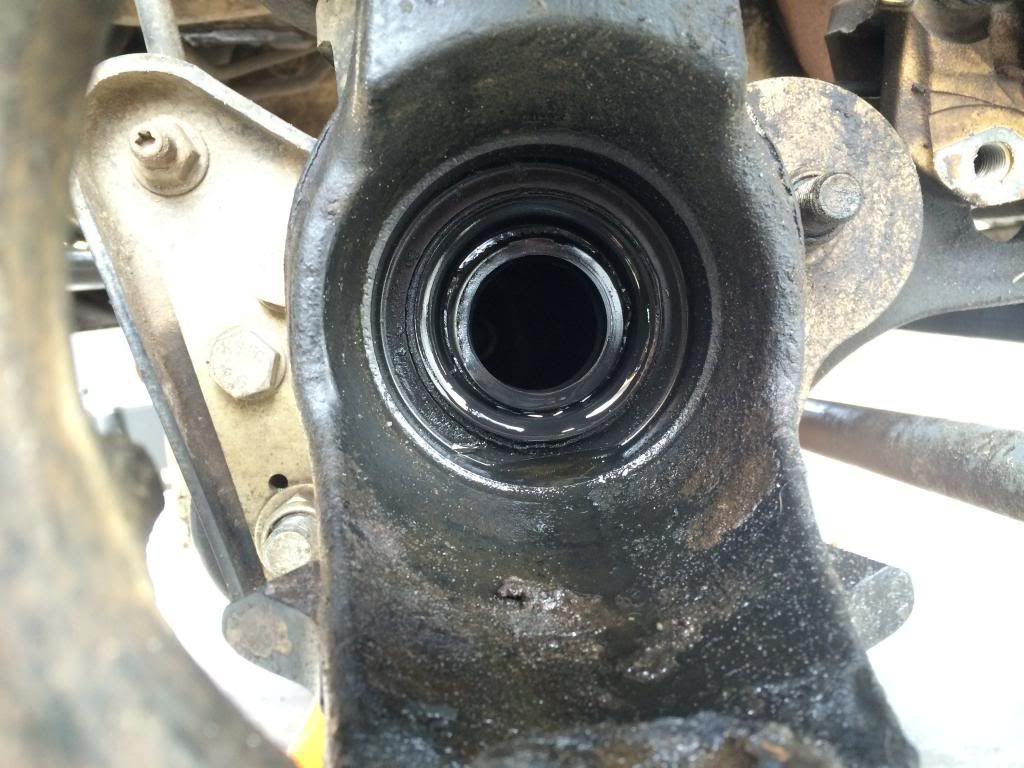
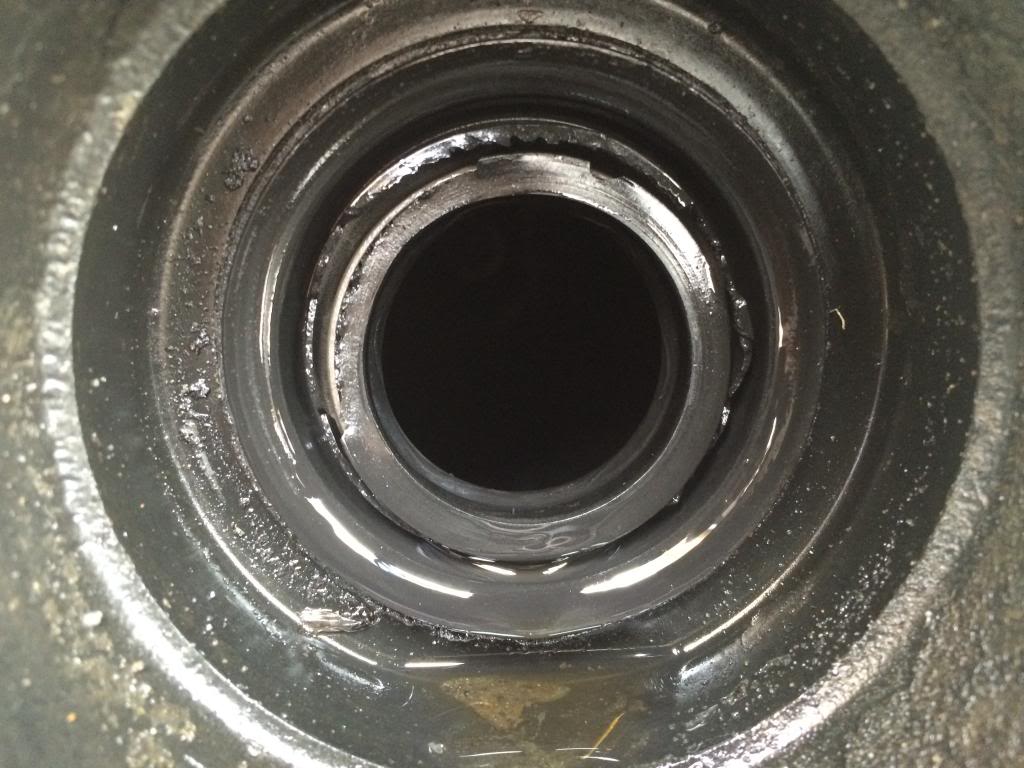

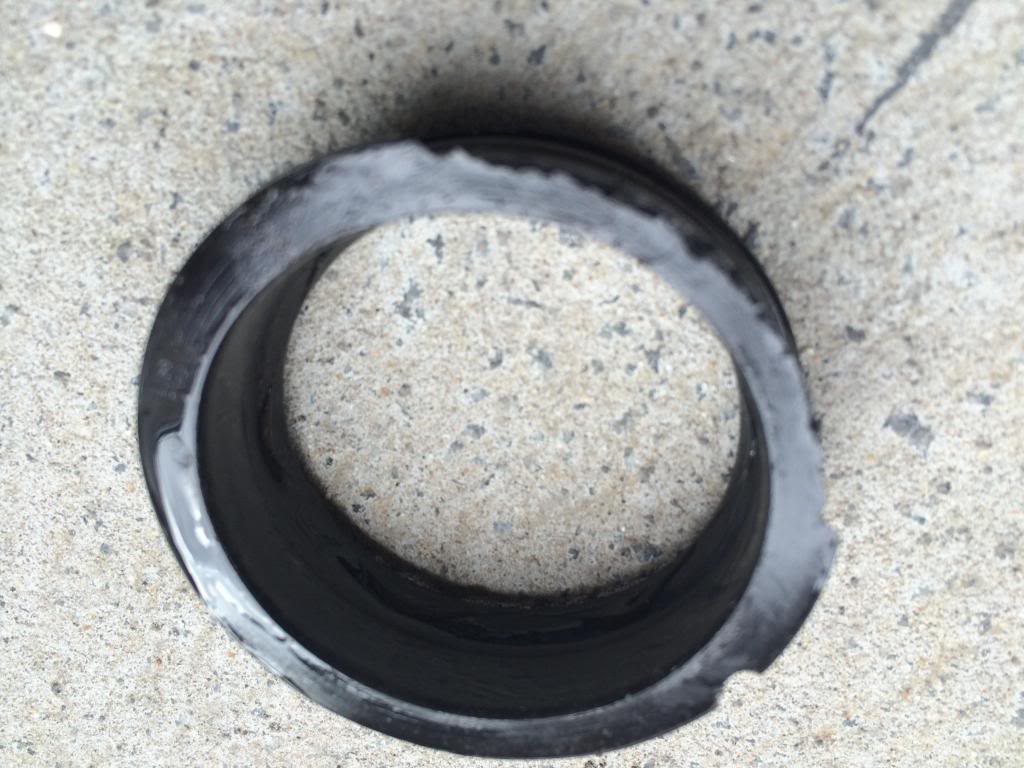

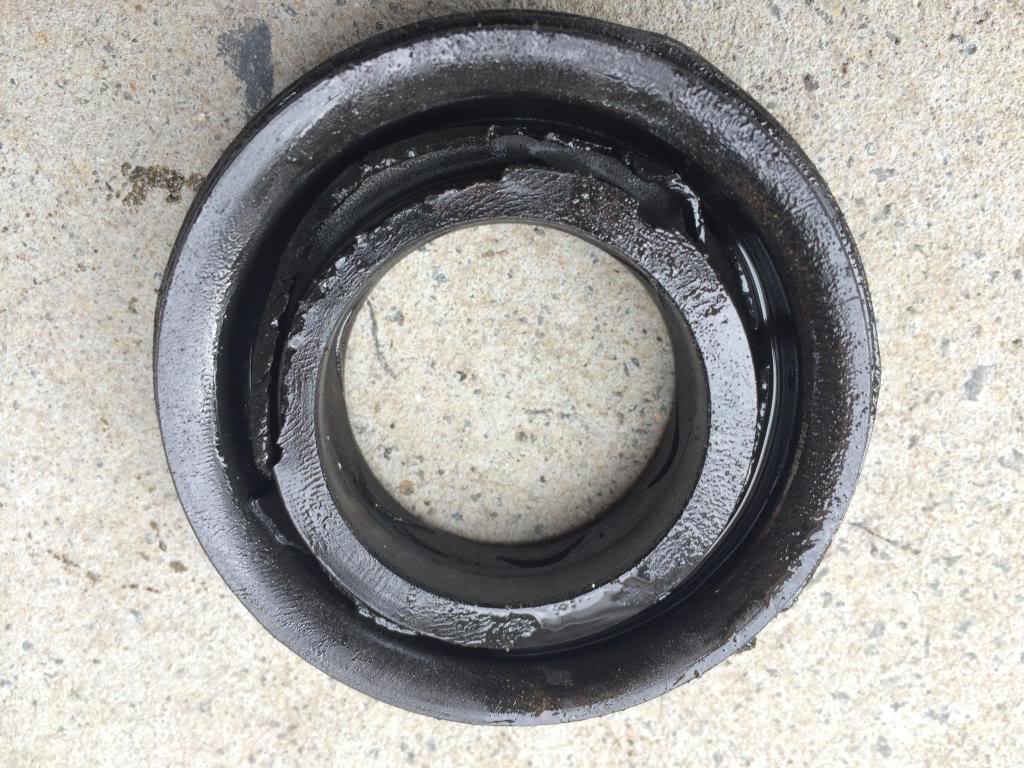
We have measured the genuine Land Rover, AllMakes4x4, Britpart (who are supposebly the OEM supplier for this part), Corteco (who seem to be the actual OEM supplier) and Bearmach and found all to be 35mm ID of the seal body.
However, some members with old seals have measured them to be 36mm (1mm larger).
The shafts measure 34.98mm which are the cause of why the seals are gripping and failing.
Wondering if there are any seal options available in the USA that may be the correct size? Apparently there is an NAK brand with possible part number of SG9AYW2 (but Google turns up nothing and NAK Australia don't recognise it) which may be the correct size but so far we have been unable to source it.
A number of us in Australia are finding this issue and we believe that the cause may be that the new seals are being produced slightly smaller (35mm vs 36mm ID):
The result is that the main body of the seals seems to grip on the shaft and eventually tear itself apart:
We have measured the genuine Land Rover, AllMakes4x4, Britpart (who are supposebly the OEM supplier for this part), Corteco (who seem to be the actual OEM supplier) and Bearmach and found all to be 35mm ID of the seal body.
However, some members with old seals have measured them to be 36mm (1mm larger).
The shafts measure 34.98mm which are the cause of why the seals are gripping and failing.
Wondering if there are any seal options available in the USA that may be the correct size? Apparently there is an NAK brand with possible part number of SG9AYW2 (but Google turns up nothing and NAK Australia don't recognise it) which may be the correct size but so far we have been unable to source it.
Last edited by twr7cx; Aug 14, 2014 at 01:29 AM.

Pro Wrench
Joined: Nov 2011
Posts: 1,462
Likes: 32
From: Duxbury MA

That sucks. Fortunately replacing them is not a very involved process! At least the hubs come out much easier the second time.
When you replace the seal I'm assuming that you are getting the axles properly centered in the housing either with that crazy LR tool or via some other means? Here's the listing for the OEM seal at a supplier here in the States. If you contact them I'm sure they would be able to check the dimensions for you. SEAL AXLE SHAFT DISCOVERY II & P38A RANGE ROVER, RND484, FTC4822 - Rovers North - Classic Land Rover Parts
When you replace the seal I'm assuming that you are getting the axles properly centered in the housing either with that crazy LR tool or via some other means? Here's the listing for the OEM seal at a supplier here in the States. If you contact them I'm sure they would be able to check the dimensions for you. SEAL AXLE SHAFT DISCOVERY II & P38A RANGE ROVER, RND484, FTC4822 - Rovers North - Classic Land Rover Parts

Super Moderator
Joined: Jul 2013
Posts: 5,794
Likes: 211
From: dallas texas
I have noticed that the cheaper ones are more trouble than the savings. Not so much a size issue, but fragile. Without the correct size block/driver, the hard spring can deform the seal. I spend the extra bit of money and get the good ones, from rovers north. No issues and I have done them this year


Recovery Vehicle
Joined: Dec 2012
Posts: 942
Likes: 29
From: St. James, NY
All you want to know about seals.
http://www.timken.com/en-us/products...tion-Guide.pdf
Timken is the mfg of the hub bearing.
Page 13 talks about seals and splined shafts & long shafts.
Where the shaft must be installed through the seal, centering
guides for the shaft will prevent lip deformation and dislodging
of the spring. When possible, the shaft should be rotated as it
passes through the seal to reduce sliding friction.
http://www.timken.com/en-us/products...tion-Guide.pdf
Timken is the mfg of the hub bearing.
Page 13 talks about seals and splined shafts & long shafts.
Where the shaft must be installed through the seal, centering
guides for the shaft will prevent lip deformation and dislodging
of the spring. When possible, the shaft should be rotated as it
passes through the seal to reduce sliding friction.

Recovery Vehicle
Joined: Dec 2012
Posts: 942
Likes: 29
From: St. James, NY
I never took apart a front hub/axle before. However, I think you have the seal installed in backwards. The lip/flinger should face in toward the oil. It flings the oil away from the seal.
Here is a thread that says orientation #1 (the way you have it)
https://landroverforums.com/forum/di...ntation-59488/
and one form dweb that says flinger in.
Front axle seal - Page 2 - DiscoWeb Message Boards
Either was, both threads say to get the genuine seal.
Here is a thread that says orientation #1 (the way you have it)
https://landroverforums.com/forum/di...ntation-59488/
and one form dweb that says flinger in.
Front axle seal - Page 2 - DiscoWeb Message Boards
Either was, both threads say to get the genuine seal.
Thread Starter
|
Overlanding
Joined: Mar 2011
Posts: 21
Likes: 0
Sadly the genuine Land Rover ones have failed as quickly for me as the Britpart and AllMakes4X4 ones.

There are two lips on these seals. The smallest one in the centre hole is to keep the oil from leaking and seals against the collar of the dust shields that are installed on the driveshafts. The larger one on the side is to seal against the dust shield to prevent dirt and dust getting to the seal and damaging it.
The difference is sizing that I am referring to is actually the body of the seal (not the lip but the metal body of the seal). It is only around 35mm (where all the old units we have been able to measure are 36mm).
The collar of the dust shield (these are genuine Land Rover parts fitted from the factory) on the driveshaft that sits inside this hole is around 34.98mm - hence the issue that there is not enough clearance and the seal gets damaged.
Pro Wrench
Joined: Nov 2011
Posts: 1,462
Likes: 32
From: Duxbury MA
Please explain further. I was not away that there was a LR tool for getting the axles properly centered in the housing. I don't understand how the axels can be off centre as they are supported internally by fitting into the diff center and the other end is supported by the hub.
If you are only dong the seals, then you don't need to align them. I have only replaced the seals when I do ball joints or replace a hub. The hub needs to be aligned with the axle housing by adjusting the ball joints when either of those has been changed. If all you are doing is pulling out the axle and replacing the seal then that shouldn't be an issue provided that everything is aligned properly to start with.
If you are only dong the seals, then you don't need to align them. I have only replaced the seals when I do ball joints or replace a hub. The hub needs to be aligned with the axle housing by adjusting the ball joints when either of those has been changed. If all you are doing is pulling out the axle and replacing the seal then that shouldn't be an issue provided that everything is aligned properly to start with.