


thinking frames and ace again.





.JPG)
Recovery Vehicle
Joined: Dec 2012
Posts: 942
Likes: 29
From: St. James, NY

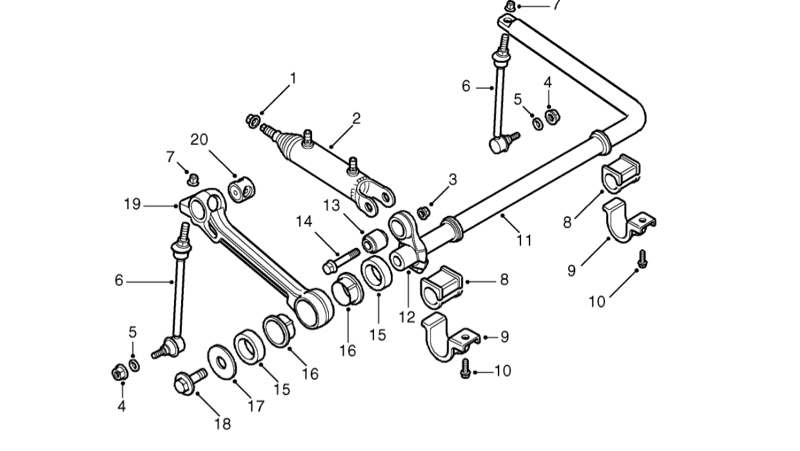
The ACE system does not load the bar when the tires are uneven at low speeds (under 25 mph). The ACE has thicker bars because, when the system is loaded, it sees more torsion than the stock system.
The stock system will have no load when the wheels are level (at the same height). When the tires are not level the sway bar is loaded. If the stock system puts no load on the bar, why do you have disconnects?
The ACE system does not load the bar when the tires are uneven at low speeds (under 25 mph). The ACE has thicker bars because, when the system is loaded, it sees more torsion than the stock system.
The ACE system does not load the bar when the tires are uneven at low speeds (under 25 mph). The ACE has thicker bars because, when the system is loaded, it sees more torsion than the stock system.
I have disconnects because every sway bar ever limits articulation, even more-so when it can't bend at all.
Point being, there's no way an ACE setup could have more articulation unless the ACE system literally forced the sway bar to bend.
Super Moderator
Joined: Nov 2009
Posts: 5,847
Likes: 106
From: Arkansas
No. At low speeds (2 mph) the ace system does not exert any force on the bars. It works pretty much like the rubicon wranglers with automatic sway bar disconnects. At higher speeds, up to 25 mph, off-road, it uses rough road calculations to determine how much work to do. During side-slope conditions, the system locks to two halves of the bars together to provide increased stability.
The two ends of the bar aren't rigidly connected. Without the hydraulics they will move independently.
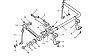
The two ends of the bar aren't rigidly connected. Without the hydraulics they will move independently.
Last edited by jafir; Oct 31, 2013 at 10:55 PM.