When you click on links to various merchants on this site and make a purchase, this can result in this site earning a commission. Affiliate programs and affiliations include, but are not limited to, the eBay Partner Network.
So this weekend I was out an offroad park that ranged from easy service roads to level 5 trails. All I brought with me was my recovery kit that consisted of a couple shackles, some gloves, and a kinetic rope. It never occurred to me that I might actually need parts to get back running. I seen snapped axles, non-starting situations, and wheel bearing issues from a couple of different people while out there. One person said that he snaps his short side rear axle shaft quite regularly. Question is, should I be carrying a spare shaft? A serpentine belt? Maybe a crank position sensor? What all do ya'll carry for such excursions?
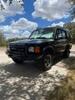
Pic of my wheel lift just because I think it looks cool.
I personally keep a full set of spare axle shafts just in case. This is a hold over until I can save up and get the Ashcroft HD shafts. That said, wheeling stock open diffs I didn't carry any shafts. The weak point is usually more the spider gears in the stock diff, but it's not very realistic to keep a spare diff in the back of your rig.
Besides a crank sensor... a Gallon of oil and a couple gallons of water, a good tool set, a jack, heat shrink wire connectors, spare fuses and relays... That's a pretty fair list. Not a lot else will leave you stranded. Protecting axles is as much about smart throttle input as anything. Make a judgement about your driving style and go from there.
Prep your truck and keep up on maintenance,drive smart and control the throttle and you will need very few spares.
Hose clamps all sizes
Rotoflex and bolts
1 or 2 quarts of oil
Gallon of AF
Rad cap
Air filter - just in case
Bailing wire
Muffler and Duct tape
Headlight and tail light bulb
I carry some old cooling hoses on longer trips and my alternator in a bucket but that is it. The old adage as slow as possible and fast as required really makes a difference.
I saw ya out on the trails (I was in the Yellow XD). What I carry varies on where I'm going. For Big Bend for example I went full retard and still didn't have a few things I needed. At the 2022 HCRR event I packed much lighter spares, but my standard tools were the same along with the small clear tackle box that has a CPS, TPS, Fuel Rail Temp Sensor, with relays and a few other LR specific things. I also always carry my nanocom even when I'm in the D1 just in case someone in the group with a D2 has an issue.
So much more simple than when I’d do hard trails with my Jeep YJ back in the day. When I’d do the Rubicon with it I’d bring:
- axle shafts front and rear
- front and rear driveshafts
- yokes
- U joints
- U bolts (leaf spring suspension
- tie rod and drag link
- spider gears (I was running lunch box lockers)
- the ubiquitous electrical stuff
- of course duct tape and bailing wire
At one point or another I used all of those and every piece of recovery gear I would bring with the winch such as shackles, straps, ****** blocks, high lift jack, and whatever else.
I’ve never used the Discos for stuff that hard, and still have a heavily modified JKUR, so no need for lots of stuff on the trips I’ve done. I watched a couple videos of guys with D2s on the Rubicon. YIKES! I take enough damage on with the Jeeps, and the total abuse on a D2 just pains me.
@longtallsally It really is all about line and throttle control, I see a lot of videos where pressing the skinny pedal to the floor is the solution to everything. Picking a good line, not the cool one and using only enough throttle to keep momentum works best. Unless you are playing in deep mud, then you will just break stuff.



 Spares for Offroad Shenanigans